

















|
|
|
|
|
||
|
|
|
|
|
||
|
|
|
||||
|
|
|
||||
|
|
|
||||
|
|
|
Introduction to Aix-en-Provence |
||
 Welcome
to a country renowned for its history and fabled for its beauty. The
heart of a region where man and nature, in rare alliance, have made
a pact of mutual respect, lies Aix-en-Provence, one of the earliest
Roman colonies of ancient Gaul. Those who know it often sneak back
in spirit, to nourish memories that are important to them. Welcome
to a country renowned for its history and fabled for its beauty. The
heart of a region where man and nature, in rare alliance, have made
a pact of mutual respect, lies Aix-en-Provence, one of the earliest
Roman colonies of ancient Gaul. Those who know it often sneak back
in spirit, to nourish memories that are important to them. |
||
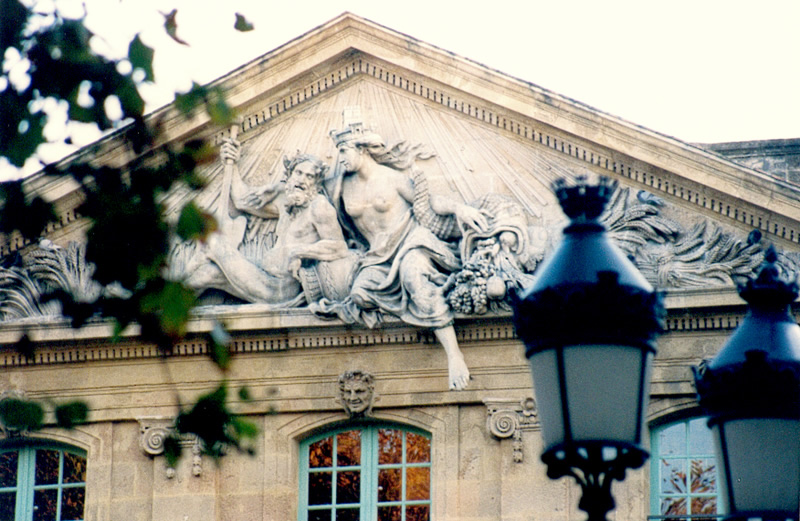 |
||
As
a base camp for exploring the region of Aix with its over forty hotels
offering accomodation at all prices is increasingly an ideal place to start.
At least two days are needed for exploring the city and its immediate surrounds.
History, climate, land, and water, art and architecture are a banquet for
body and soul. Those who come once, come back and bringing their families
along ! |
||
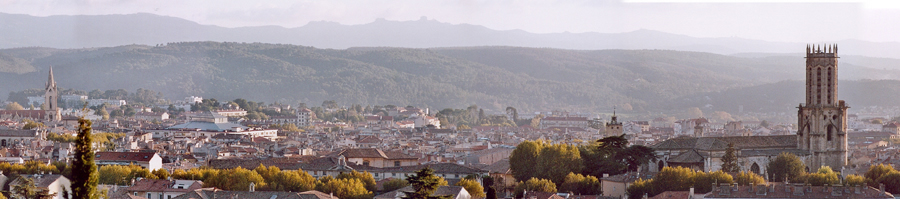 |
||
|
Aix-en-Provence |
Practical info |
Kiosk |
Entertainment |
Art Gallery
Learning | Maps | Camargue | Short cut | Homepage | Post-box |
Copyright © Provence Live 2017